Table of Contents
- – Recognizing Stress And Anxiety With a Neurodiv...
- – The Crucial Importance of Appropriate ADHD Eva...
- – Trauma Treatment That Recognizes Neurodivergen...
- – Somatic Therapy: Recovering Through the Body's...
- – Attending To Burnout in Neurodivergent Communi...
- – What Neurodivergence-Affirming Treatment Reall...
- – Finding the Right Therapeutic Fit
- – The Course Towards Genuine Healing
The intersection of stress and anxiety, injury, and neurodivergence creates a special healing landscape that demands specialized understanding. For people who've spent years feeling misconstrued by conventional psychological wellness approaches-- particularly those navigating ADHD, autism, or other neurodivergent experiences-- locating really attesting care can seem like looking for sanctuary. Straighten and Equip Therapy represents a growing activity towards therapeutic solutions that recognize neurological variety while dealing with the genuine struggles of anxiety, injury, and fatigue.
https://www.alignandempowertherapy.com/intensives-executive-functioningRecognizing Stress And Anxiety With a Neurodivergent Lens
Anxiety doesn't show evenly throughout all minds. For neurodivergent people, what appears as generalized anxiousness usually stems from worried system dysregulation, sensory overwhelm, or the cumulative result of concealing genuine neurological patterns to fit neurotypical assumptions. This difference matters exceptionally when picking healing strategies.
Standard anxiety treatment frequently emphasizes cognitive restructuring-- difficult and changing assumed patterns. While valuable for some, this technique can fail for neurodivergent customers whose anxiousness emerges not from distorted thinking however from real environmental conflict or the exhaustion of navigating a globe developed for various neurological circuitry. Neurodivergence-affirming stress and anxiety treatment acknowledges these truths rather than pathologizing natural actions to hostile or inappropriate atmospheres.
Practices specializing in neurodivergent-affirming care acknowledge that anxiousness treatment have to make up executive feature distinctions, sensory processing variants, and the impact of lifetime experiences of being misunderstood or rejected. This suggests adapting healing pacing, interaction styles, and treatment strategies to match private neurological profiles instead of expecting customers to comply with standardized protocols.
The Crucial Importance of Appropriate ADHD Evaluating and Evaluation
ADHD remains one of the most misinterpreted and underdiagnosed conditions, particularly in females, individuals of color, and individuals that established innovative masking techniques throughout childhood. Several adults look for treatment for stress and anxiety or anxiety without identifying that neglected ADHD underlies their battles. Comprehensive ADHD testing gives quality that transforms treatment strategies and self-understanding.
Quality ADHD analysis expands far past the stereotyped hyper child design. Comprehensive evaluation takes a look at executive feature throughout several domain names-- functioning memory, psychological guideline, job initiation, time perception, and sustained interest. It considers exactly how ADHD manifests in a different way across sexes, ages, and co-occurring problems, recognizing that inattentive-type ADHD regularly gets away discovery until their adult years when increasing needs bewilder dealing systems.
The worth of appropriate ADHD testing lies not in labeling but in recognition and direction. Customers report profound relief when years of perceived personal failing reframe as neurological distinction needing lodging instead of moral improvement. Examining opens doors to drug examination, office lodgings, partnership changes, and therapeutic treatments especially made for ADHD brains as opposed to generic techniques that unintentionally raise embarassment and frustration.
Straighten and Encourage Therapy's emphasis on detailed assessment reflects understanding that precise diagnosis essentially changes therapy pathways. Stress and anxiety therapy for a person with undiagnosed ADHD that applies organizational systems made for neurotypical brains will fail repetitively, deepening hopelessness. Alternatively, anxiety treatments that make up ADHD-specific challenges-- such as time blindness, rejection level of sensitivity, or sensory bewilder-- create lasting modification.
Trauma Treatment That Recognizes Neurodivergent Experiences
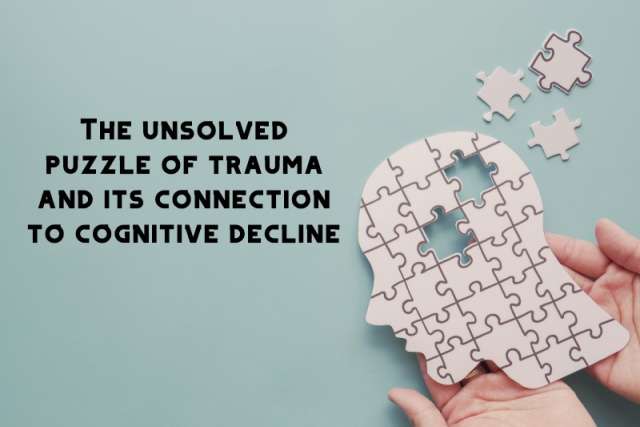
Neurodivergent people experience overmuch high prices of injury, typically beginning in childhood when distinction fulfills misconception, penalty, or outright abuse. The injury of forced conformity, repeated failures in systems developed for different minds, bullying, social exemption, and invalidation by caregivers or specialists develops complex wounding that requires specialized therapeutic focus.
Trauma therapy for neurodivergent customers must navigate added complexity. Standard injury processing methods might require adjustment for individuals with executive function difficulties, sensory level of sensitivities, or communication differences. The inflexible structure of some evidence-based injury methods can really feel constricting or causing to neurodivergent nerve systems, requiring adaptability and creative thinking from specialists.
Neurodivergence-affirming trauma therapy recognizes that some "" signs and symptoms"" standard methods target for removal actually represent flexible coping systems for neurodivergent people browsing neurotypical-dominated atmospheres. The objective shifts from normalization to empowerment-- assisting clients process authentic trauma while attesting neurological authenticity and structure environments where concealing comes to be unnecessary for survival.
Somatic Therapy: Recovering Through the Body's Knowledge
Somatic treatment provides particularly effective devices for anxiousness and injury treatment, especially for neurodivergent individuals who might experience disconnection in between cognitive awareness and physical experience. This body-centered method acknowledges that injury and stress and anxiety lodge in the nervous system, not simply in thoughts or memories, requiring treatments that engage the body directly.
For customers with alexithymia-- trouble recognizing and defining emotions, typical in autism and ADHD-- somatic techniques give alternative paths to recovery that do not rely heavily on spoken emotional handling. Techniques like body scanning, breathwork, motion, and sensory awareness create chances for nerve system guideline without demanding capacities that might really feel inaccessible.
Somatic experiencing, polyvagal-informed treatment, and sensorimotor psychiatric therapy assistance clients understand their nerve system responses-- fight, trip, freeze, or fawn-- as intelligent survival systems rather than individual weak points. This reframe proves especially beneficial for neurodivergent customers who have actually internalized shame regarding sensory level of sensitivities, disasters, shutdowns, or various other nerves actions that neurotypical-centered treatment may pathologize.
The integration of somatic practices allows clients to establish interoceptive understanding-- the ability to feeling inner physical states-- which supports psychological law, boundary-setting, and genuine decision-making. For people whose neurodivergence consists of sensory handling distinctions, assisted somatic job offers tools for comparing ecological bewilder, anxiousness, trauma activation, and various other inner states that could or else obscure with each other confusingly.
Attending To Burnout in Neurodivergent Communities
Autistic burnout and ADHD burnout represent unique phenomena from general work fatigue, characterized by loss of operating, raised sensory level of sensitivity, trouble with previously convenient tasks, and deep fatigue that rest alone does not settle. These states emerge from prolonged masking, sensory overload, executive feature demands exceeding capacity, and the cumulative toll of browsing neurotypical assumptions without sufficient assistance.
Fatigue healing needs greater than anxiety management techniques. It demands fundamental restructuring of expectations, settings, and power expenditure patterns. Treatment methods that recognize neurodivergent exhaustion help customers audit their lives for unsustainable patterns-- people-pleasing, perfectionism, overcommitment, or concealing neurological differences-- and establish lasting techniques straightened with real capability instead of internalized ableist requirements.
Healing from neurodivergent exhaustion commonly entails grieving-- mourning the individual you thought you should be, the job course that confirmed incompatible, the connections that required as well much masking, or the shed years spent trying to work like a person with different neurology. Attesting therapy holds space for this pain while sustaining customers in developing lives that honor neurological needs rather than fighting them.
What Neurodivergence-Affirming Treatment Really Suggests
The term "" neurodivergence-affirming"" carries substantial weight in restorative contexts, identifying methods that recognize neurological differences from those that pathologize or look for to eliminate them. Attesting treatment acknowledges autism, ADHD, dyslexia, and other neurological variations as natural human diversity rather than problems requiring cure.
VirginiaAlmost, this manifests in multiple means. Affirming therapists avoid Applied Habits Evaluation (ABA) and other compliance-based interventions that focus on neurotypical look over autistic health and wellbeing. They acknowledge stimming as self-regulation as opposed to habits needing removal. They recognize disasters as nerves bewilder as opposed to adjustment. They confirm the exhaustion of masking instead of encouraging a lot more sophisticated camouflage.
Neurodivergence-affirming therapy also resolves the particular mental health and wellness challenges that emerge from staying in neurodivergent bodies within neurotypical-centered culture. This consists of sustaining customers with diagnosis despair, identification restoration, disclosure decisions, holiday accommodation demands, and the complicated navigating of systems-- healthcare, education and learning, work-- frequently aggressive to neurological distinction.
Finding the Right Therapeutic Fit
Picking a specialist for anxiety, injury, or fatigue therapy calls for careful consideration when neurodivergence variables right into the equation. Past qualifications and expertises, fit entails assessing whether therapists demonstrate authentic understanding of neurodivergent experiences versus surface knowledge with analysis criteria.

Trick concerns expose therapeutic alignment: Does the specialist view neurodivergence with a medical version concentrated on shortages, or with a neurodiversity standard recognizing various but valid methods of being? Do they encourage masking to lower anxiety, or discover just how forced masking produces anxiousness? Can they compare symptoms calling for treatment and natural neurodivergent traits needing lodging?
VirginiaLine Up and Equip Treatment's technique exemplifies the combination of trauma-informed, somatic, and neurodivergence-affirming techniques-- a combination significantly identified as necessary for reliable therapy of stress and anxiety and injury in neurodivergent populaces. This integrated framework recognizes that lasting recovery requires addressing both stressful experiences and the recurring tension of browsing world systems misaligned with neurological needs.
The Course Towards Genuine Healing
https://www.alignandempowertherapy.com/transitions-therapyEfficient treatment for anxiety and trauma in neurodivergent people develops space for authentic selfhood as opposed to proceeded conformity. It verifies the intelligence of nerve system reactions while building guideline ability. It processes genuine injury without pathologizing neurological difference. It identifies that some struggles stem not from inner pathology however from exterior systems requiring modification.
The trip towards recovery entails unlearning internalized ableism, reconnecting with genuine requirements and choices, creating self-compassion for neurological distinctions, and building lives aligned with actual capability instead than imposed assumptions. It needs specialists who see neurodivergent clients as specialists in their own experiences, deserving of holiday accommodation rather than adjustment.

For individuals seeking treatment that honors neurological variety while dealing with actual suffering-- whether from stress and anxiety, injury, burnout, or the collective weight of lifetime misunderstanding-- neurodivergence-affirming practices offer greater than symptom reduction. They use the possibility of living authentically, regulated nerves, and the revolutionary experience of being truly understood.

Table of Contents
- – Recognizing Stress And Anxiety With a Neurodiv...
- – The Crucial Importance of Appropriate ADHD Eva...
- – Trauma Treatment That Recognizes Neurodivergen...
- – Somatic Therapy: Recovering Through the Body's...
- – Attending To Burnout in Neurodivergent Communi...
- – What Neurodivergence-Affirming Treatment Reall...
- – Finding the Right Therapeutic Fit
- – The Course Towards Genuine Healing
Latest Posts
Somatic Awareness Treatment in Eating Disorder Recovery
AAPI Mental Health Support and Family Expectations
Multilingual Psychotherapy: Breaking Down Language Obstacles in Mental Healthcare
Navigation
Latest Posts
Somatic Awareness Treatment in Eating Disorder Recovery
AAPI Mental Health Support and Family Expectations
Multilingual Psychotherapy: Breaking Down Language Obstacles in Mental Healthcare